
 By Admin
Last updated: September 10, 2026
Key Takeaways
- I would spend 20 to 30 minutes on one wall and jot down numbers, not gut feelings.
- Step back first. Use 20 to 30 feet.
- Verify whether water drains away within 24 hours.
- When that happens, I would not call early warning signs cosmetic; consult a qualified retaining-wall or structural professional, especially for walls over 3 to 4 feet or those supporting a driveway or structure. MSU Extension
A failing retaining wall usually gives itself away before it gives out: leaning, cracking, bulging, open joints, or water trapped behind it. Know the cues, and the picture gets clearer fast. You can separate ordinary aging from real trouble.
Who this is for, and what you need to already know
This is for a homeowner, property manager, or buyer staring at a wall and asking a plain question: is this wall still sound, or is it moving toward failure? I’m assuming you can see the full face of the wall, the top edge, and at least part of the area behind it. A phone camera, a 6-foot level, a tape measure, and a notepad are enough to begin.
Also, I’m assuming the wall is not tiny garden edging. Once a wall holds back more than about 3 to 4 feet of soil, or supports a driveway, a structure, or a steep slope, the risk jumps quickly. In those cases, I would not treat early warning signs as cosmetic; consult a qualified retaining-wall or structural professional, because walls in this range can fail by sliding, overturning, or losing bearing at the base. Washington State Department of Labor & Industries
Failure does not always mean a dramatic collapse. Not even close. In retaining-wall work, failure often starts as movement. Engineers talk about tilt (the wall leaning out of plumb), bulge (a section pushing outward), settlement (sinking), and drainage failure (water trapped behind the wall). Those are the warning signs I care about here.
This article is not for somebody who wants a cosmetic refresh. If the wall is only stained or its capstones are weathered, that is a different issue. I’m focused on structural warning signs, because that is where people miss the real risk.
What does a failing retaining wall look like?
A failing retaining wall looks different from one that is simply old. Age alone is not the issue; movement is. The clearest clue is a change in shape or position over time. A straight wall with a slight lean is not automatically doomed, but a wall that has moved 1/2 inch more since last season is waving a red flag.
Leaning or overturning is the most obvious sign. Stand back and sight along the face. If the wall bows outward or the top edge is no longer roughly vertical, soil pressure may be exceeding the wall’s resistance. A small lean can be tolerable in some older masonry walls, but a fresh tilt that keeps worsening is not something I’d shrug off.
Then there’s bulging. Short and ugly. It’s a localized outward swell, often in the middle of the wall or near a weak spot. Bulging often means the backfill is pushing harder than the wall can distribute. In segmental block walls, it may show up as one course stepping out by 1/4 to 1 inch. In poured concrete, it can look like a smooth arc in the face.
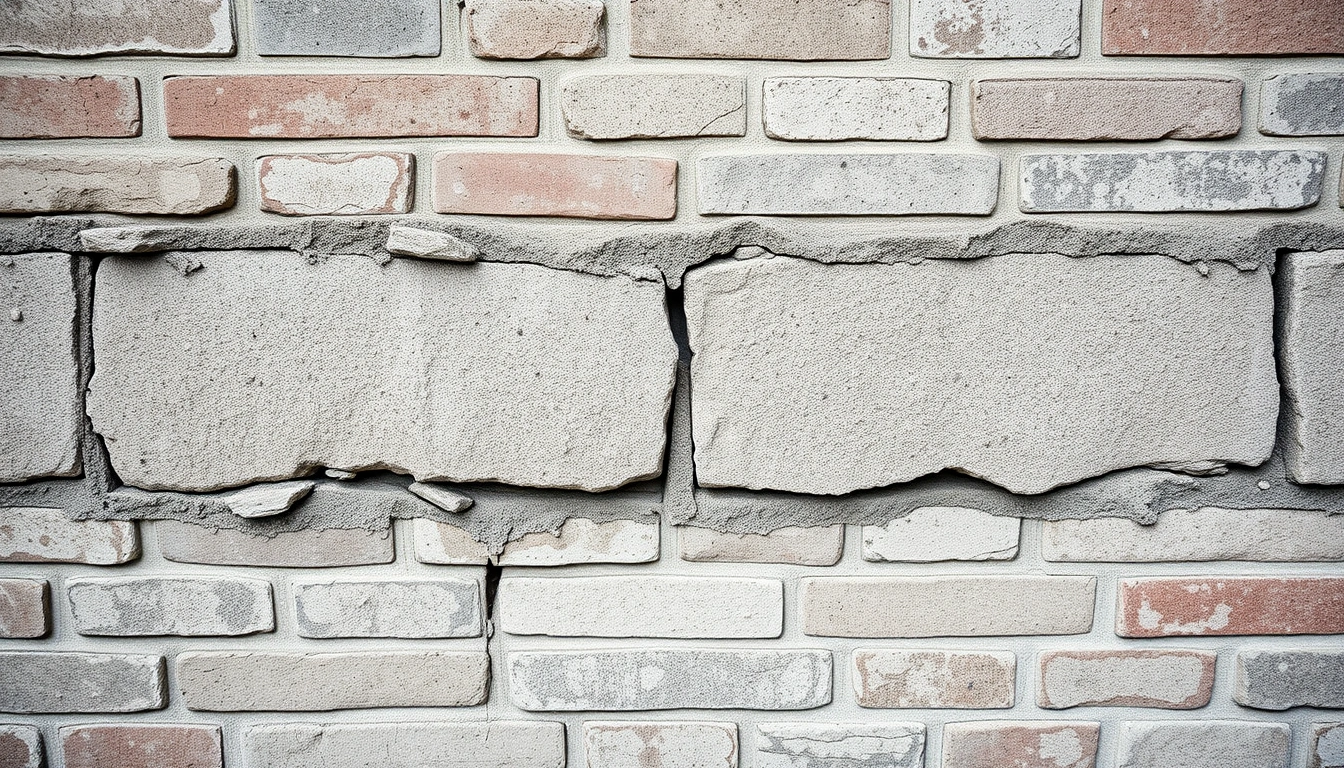
Cracks matter too, but not every crack means the same thing. Vertical hairline cracks in mortar joints can be ordinary shrinkage in some older masonry. Stair-step cracks through block or brick, horizontal cracks across a poured wall, or cracks that open wider at one end usually mean movement. If a crack is wider than a credit card edge or noticeably growing, I treat that as active; a licensed retaining-wall or structural professional should verify whether it is structural. International Code Council
Next comes separation. Caps pulling away, joints opening, blocks shifting, and gaps appearing at corners all mean the wall is no longer moving as one unit. A wall can sometimes stand for years with minor openings, but once the pieces stop fitting tightly, water gets in and the problem snowballs.
Finally, watch the ground around the wall. A sunken strip behind the wall, a slope that has become steeper, or a depression near the base can mean the backfill has washed out or settled. That is not just surface damage. It often means the wall has lost the support it was counting on.
How do I inspect a retaining wall step by step?
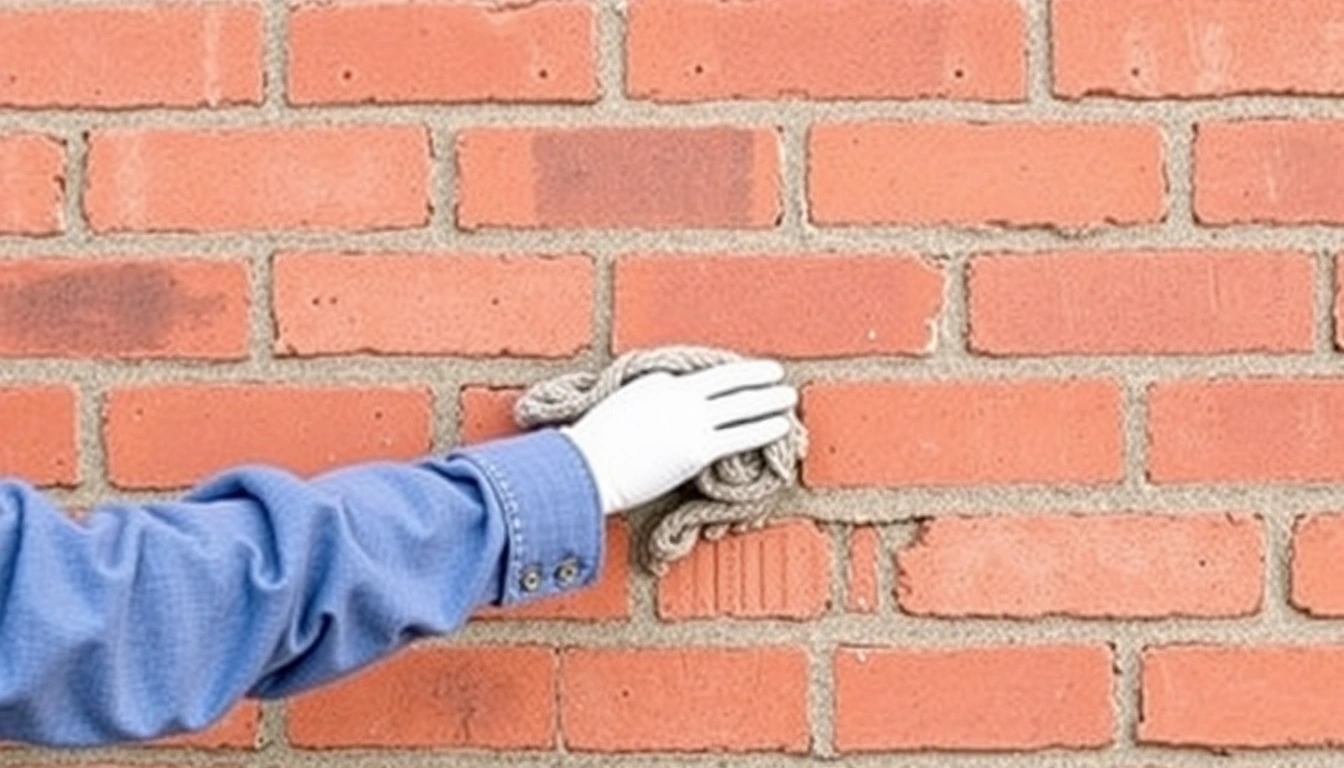
Inspect it by checking movement, drainage, cracks, and ground conditions in the same order each time, then compare what you see with a baseline. I would spend 20 to 30 minutes on a single wall and write down measurements, not impressions.
- Start with a full-face scan from 20 to 30 feet away. Look for lean, bowing, and sections that break the wall into different planes. Verify that the wall face reads as one line. A problem shows up when one section sticks out by even 1/2 inch more than the section beside it.
- Check plumb at 3 to 4 points with a 6-foot level or plumb bob. Place the tool against the wall face and measure the offset from vertical. Verify whether the lean is uniform or concentrated in one area. If the top leans out more than the lower courses, overturning is more likely than simple settling.
- Measure any cracks with a ruler or crack gauge. Mark the ends with pencil and note the width in millimeters or fractions of an inch. Verify whether the crack is straight, stair-step, or horizontal. A crack that is wider at the top than the bottom often points to rotation or outward pressure.
- Inspect the cap, top course, and joints. Press gently on loose capstones or block. Verify whether joints are tight and aligned. If the cap rocks, the bond is breaking. A cap that moves by more than a few millimeters under hand pressure is not normal.
- Look for water exit points and drainage hardware. Find weep holes, drain outlets, gravel zones, or perforated pipe discharge. Verify that outlets are open and not buried. If you see staining, soil washout, or algae below an outlet, drainage is active but may be overloaded or clogged.
- Check the soil behind and in front of the wall after rain. Look for pooling, soft spots, sinkholes, and muddy runoff. Verify whether water drains away within 24 hours. If water sits behind the wall after a storm, hydrostatic pressure is building behind it.
- Measure any movement against fixed references. Use a tape measure from the wall face to a fence post, sidewalk edge, or survey marker. Verify the same distance at several spots. A change of 1/4 inch or more over time is enough to justify concern, especially if the change is repeatable.
- Check the base for exposure or erosion. Look for a washed-out toe, missing soil, or a footing that is becoming visible. Verify that the wall still has full bearing at the bottom. If the base is undermined, the wall can lose stability quickly, even if the upper part still looks straight.
A good inspection leaves you with one simple question: is this wall stable, or is it moving? If you can’t answer that without guessing, the wall needs a closer look. No shortcuts.
Which signs mean the wall is already failing?
The wall is already failing if it is moving, shedding material, or losing support faster than ordinary wear can explain. That’s the line I use, and I don’t blur it.
Visible outward lean that is increasing: This usually means the wall is rotating toward the retained soil side. If the lean is obvious from the street or matches a new gap at the base, the wall is past “monitor and wait” territory — plan a structural assessment.
Horizontal cracking or a continuous split across the face: This suggests the wall is bending under pressure. In poured concrete, horizontal cracks are especially concerning because they often signal flexure. The next step is to reduce load if possible and bring in a qualified wall or structural contractor.
Bulging in the middle of a section: Bulging means the wall has a weak spot or poor drainage behind it. A bulge that has appeared over one season is not a cosmetic issue — it is a sign that the wall is pushing toward a local collapse.
Open joints, shifted blocks, or separated caps: This means the wall is no longer acting as one unit. In segmental retaining wall systems, movement between units can snowball because each block depends on the next for stability. Stop adding weight near the top and get the wall evaluated.
Soil washing out from behind or beneath the wall: Loss of backfill removes support and can leave voids. If you can see soil escaping, the wall may already be undermined. That is a red-flag condition, not a maintenance note.
Water trapped behind the wall after rain: Poor drainage creates hydrostatic pressure, which is a fancy way of saying water is pushing on the wall. If a wall stays wet for more than a day or has no working drainage path, the structure is working harder than it should.
When should you stop watching and get help?
Stop monitoring and get qualified help when the wall shows active movement, supports a heavy load, or is affecting a structure. That is the point where patience stops being useful.
The wall supports a driveway, parking area, or structure: Those loads change the design assumptions completely — do not keep guessing; have a retaining-wall or structural pro review it.
There is a fresh lean, bulge, or crack wider than it was last month: Ongoing movement means the failure mechanism is active — stop adding soil, water, or weight near the wall.
The base is exposed, washed out, or hollow sounding: The wall may be losing bearing — cordon off the area and get an inspection soon.
You see step cracking in masonry or diagonal cracking in concrete: Those patterns often track movement, not surface aging — do not patch first and ask questions later.
Water is coming through the face, cap, or joints in a steady flow: Drainage is not coping with the load — clear obvious blockages if you can do so safely, then get a design-minded assessment.
The wall is taller than about 4 feet or part of a terraced system: Taller and tiered walls have more complex load paths — this is not the place for guesswork or a cosmetic repair.
I would also stop if the wall is on a property line, near a foundation, or near a slope that could shed soil downhill. Those cases can involve neighboring property, utilities, or access issues that make a simple patch the wrong tool.
Why do retaining walls fail in the first place?
Retaining walls fail because the load behind them changes, the water behind them is not managed, or the wall was never built for the pressure it is now carrying. That is the short version, and it matters because the symptom points to the likely cause.
Poor drainage is the classic failure mode. A retaining wall should not behave like a dam, but many do. If there is no gravel drainage zone, no outlet, or a clogged pipe, water builds hydrostatic pressure behind the wall. That pressure can push even a well-built wall out of line over time.
Bad backfill is another common cause. Heavy clay holds water and expands when wet. If a contractor used dense spoil instead of clean drainage stone near the back of the wall, the wall may have been set up to struggle from day one.
Overloading is easy to miss. A wall that once held a lawn may now be asked to support a patio, a parked truck, or a new slope above it. The wall does not care that the load was added later; it only reacts to the force.
Poor footing, weak reinforcement, and bad construction details matter too. In concrete walls, that can mean insufficient rebar or a footing that is too small. In segmental block systems, it can mean missing geogrid reinforcement. Geogrid is a synthetic mesh buried in layers behind the wall to spread soil loads farther back. If the wall depends on it and it is absent or too short, movement is not surprising.
A generic article often stops at “watch for cracks.” Too shallow. The real question is whether the wall is moving because of water, load, or support failure. Those causes lead to different next steps.
Common mistakes people make with a suspect wall
The biggest mistake is patching the visible symptom and ignoring the cause. A crack sealant or fresh mortar can hide movement for a while, but if the wall is leaning because of drainage pressure, the crack will come back and often open wider. The correct move is to find the source of the force first.
Another mistake is piling soil, mulch, or decorative stone against a leaning wall to “shore it up.” That extra weight usually makes the problem worse. If anything, I would reduce unnecessary load near the top edge until the wall is evaluated.
People also miss drainage clues because they only look at the front face. The back side matters more. If you can safely inspect the top of the wall after rain, look for ponding, blocked outlets, and areas where the soil is soft or sunken. Ignoring drainage is how small problems become major ones.
A fourth mistake is assuming every crack means collapse tomorrow. Not true. Some old walls develop hairline shrinkage cracks and stay serviceable for years. The right question is whether the crack is paired with movement, bulging, or water intrusion. The combination matters more than the crack alone.
The last common error is waiting for the wall to “settle out.” Retaining walls rarely heal themselves. If the wall is actively moving, delay is usually expensive. A 1/4-inch shift today can become a much larger repair later, and I would rather say that plainly than pretend time is neutral.
What about old stone walls, tall walls, and terraced walls?
Old stone walls need different judgment because some movement is part of their age, but active bulging, missing stones, and fresh voids still matter. Dry-stacked stone walls can tolerate slight irregularity, yet they fail when the outer face loses interlock. If the wall is losing stones or leaning more than it did a season ago, treat that as structural movement, and consult a mason, geotechnical engineer, or structural professional before adding load or making repairs. NC State Extension