
 By Admin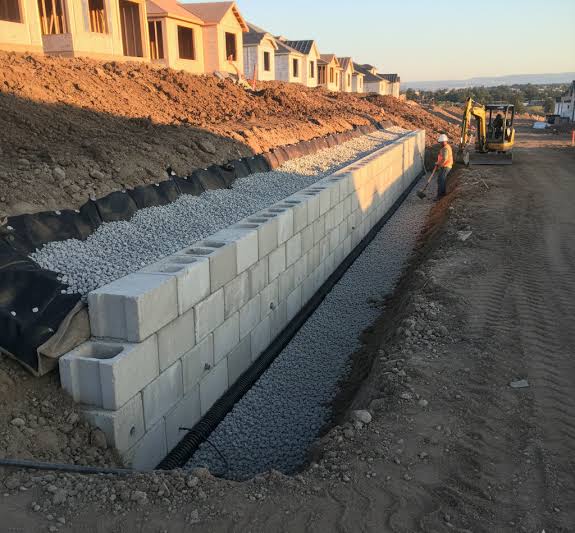
Last updated: September 10, 2026
Key Takeaways
- Watch fences, driveways, sheds, trees, and parked vehicles that sit within 3 to 6 feet of the edge.
- In the U.S., many local codes treat walls above 4 feet as engineered work, and drain details around retaining structures are not optional; check your local building department and a qualified engineer or geotechnical professional.
- A handy field check is to mark trouble spots with chalk or flags, then look again after 24 to 48 hours of dry weather.
- Downspouts dumping within 6 to 10 feet of a slope, driveway runoff, and lawn sprinklers that hit the bank are common culprits.
Trying to figure out how to know if you need a retaining wall or a slope drainage fix? Start with the blunt version: is the soil losing support, or is water just going to the wrong place? A retaining wall holds back soil; a slope drainage fix moves water away before it can soften and destabilize that soil. This article shows how to tell which problem you actually have, what signs matter, and where the line is between a drainage job you can plan and a wall that belongs in the hands of a licensed structural or geotechnical pro.
What this applies to, and what you should already know
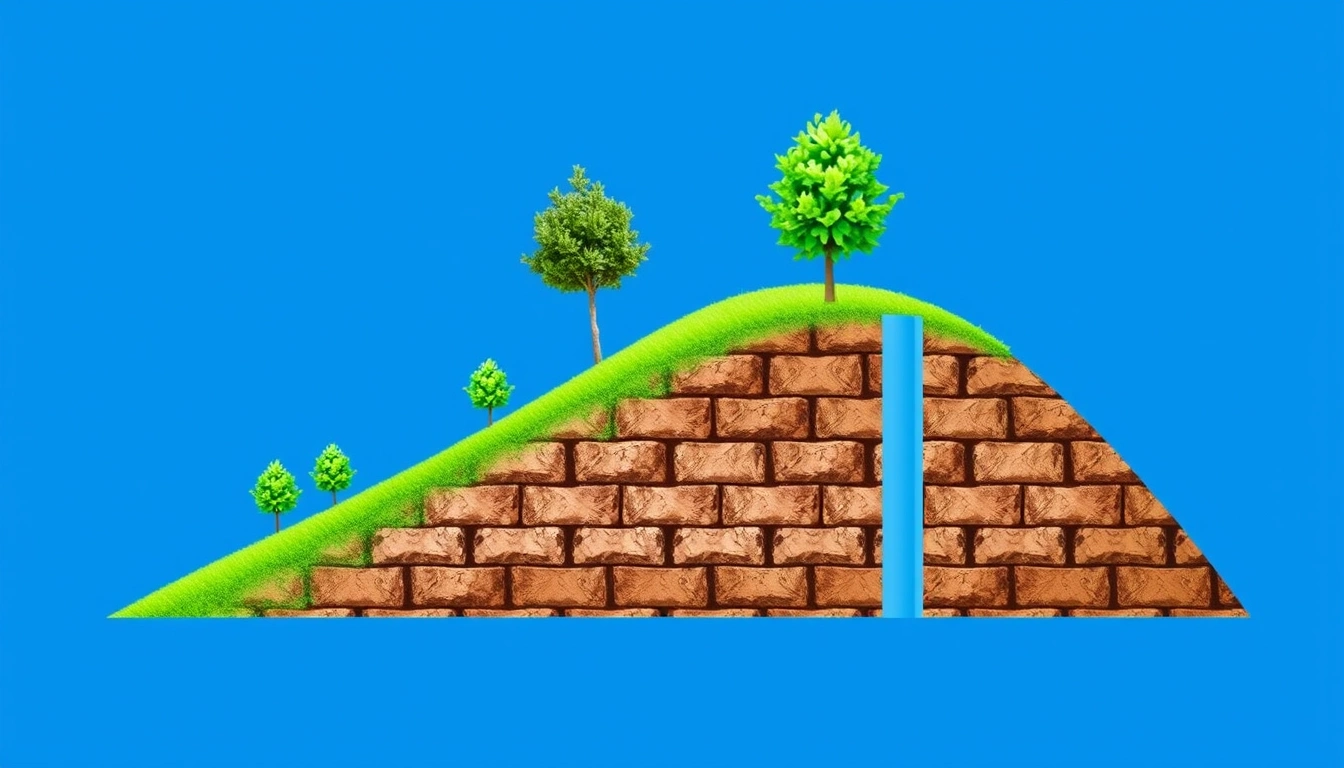
Homes with a noticeable grade change, a muddy or eroding yard, a basement or crawlspace downhill from a slope, or a patio, driveway, or garden bed built into a bank are the main fit here. It assumes you can inspect the site after rain, trace where water comes from, and recognize basic clues like standing water, cracked soil, or bulging ground. No engineering degree is needed to spot the difference between “water problem first” and “earth pressure problem first,” but for anything beyond a simple surface drainage issue, consult a structural or geotechnical professional and your local building department.
Honestly, I would not treat this as a casual do-it-yourself call if the slope is supporting a driveway, a foundation, a parking area, or a neighbor’s property; if the wall would be more than about 4 feet of retained height; or if there is visible movement in the ground. In the U.S., many local codes treat walls above 4 feet as engineered work, and drain details around retaining structures are not optional. A poorly built wall can fail suddenly; a poor drainage fix usually fails more slowly, but it can still send water toward a foundation or wash out a slope. Messy stuff.
The basic split is plain: when the ground is still holding together but water is pooling or channeling, drainage usually comes first. When the soil is slipping, bulging, or already short on support, a retaining wall or engineered slope stabilization may be needed, and drainage becomes part of that system rather than the whole answer.
Is this a water problem or a soil-support problem?
Soft, soggy, or slick ground after rain points to a water issue, especially if the shape of the hill stays basically the same. Water problems show up as ponding, seepage, rills, and erosion channels. A rill is a small runoff groove, usually a few inches wide, cut by moving water. Spot water coming from a downspout, a low spot in the yard, a driveway edge, or a neighbor’s discharge point? Start with drainage.
Different story if the soil mass itself is moving. Look for a bowed or leaning fence, a cracked retaining structure, a sidewalk that has dropped on one side, a “step” crack in soil, or a bulge at the toe of the slope. The toe is the bottom edge of the slope, where soil piles up if the upper mass slides. When a slope has a bulge at the bottom and a hollow near the top, it has already begun to move. That is not a simple surface-water issue anymore. Not even close.
A useful field test is to mark trouble spots with chalk or flags, then check them again after 24 to 48 hours of dry weather. If the wet area shrinks quickly, drainage is probably the driver. If the shape of the slope, cracks, or bulges stay in the same place, the soil is likely failing structurally or geotechnically. I do not mean drainage stops mattering in the second case; I mean drainage alone is unlikely to solve it.
If the problem is only on the uphill side of a foundation wall, a French drain, swale, or downspout correction may be enough. If the uphill soil is pressing hard against a wall or bank and the face is steep enough that it will not stand on its own, you may need a retaining wall with drainage behind it. The wall is not there to stop water; it is there to resist lateral earth pressure, which is the sideways force soil exerts when it wants to move downhill.
How do I tell which fix the slope needs?
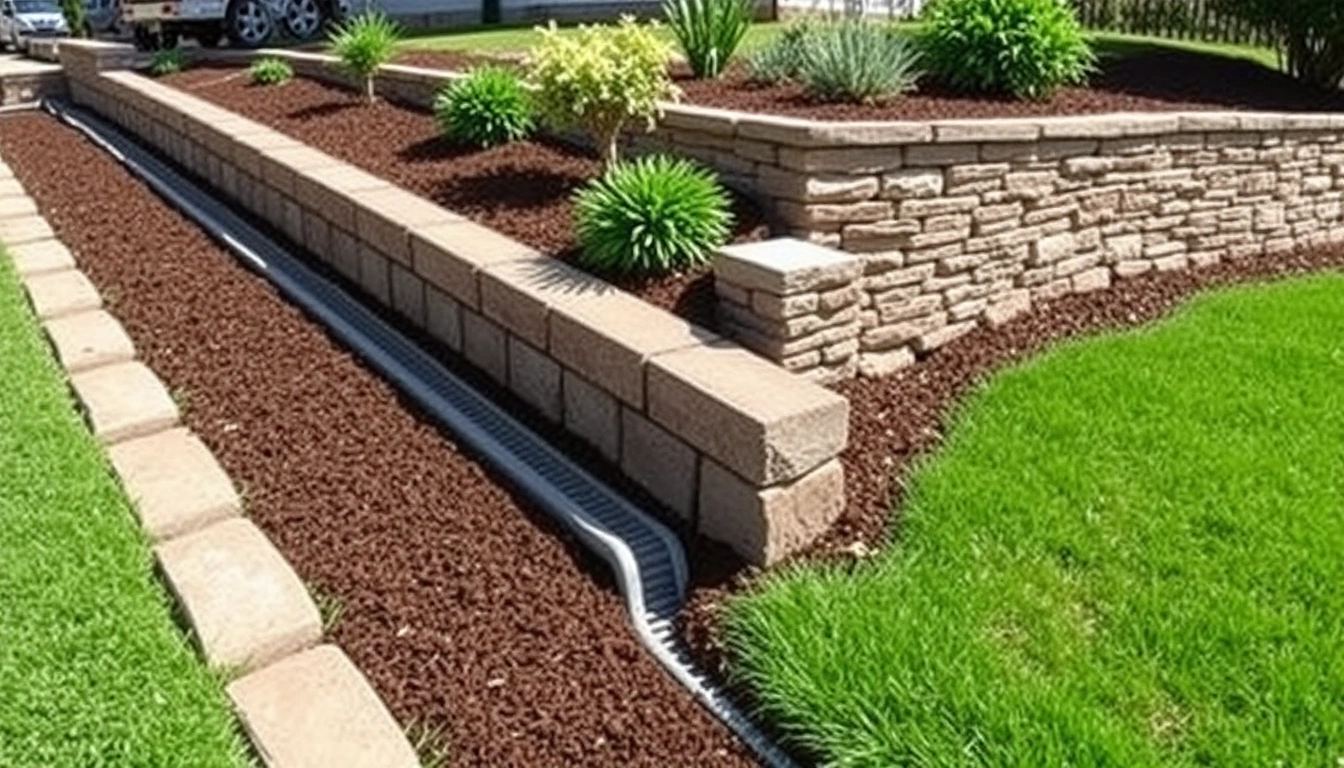
Trace the water, read the failure shape, and check whether the slope is losing material or losing support. I would use four clues together: where water enters, where water exits, whether the soil surface is eroding, and whether the ground mass is deforming.
Begin at the highest point of the problem area and look for concentrated inflow. Downspouts dumping within 6 to 10 feet of a slope, driveway runoff, and lawn sprinklers that hit the bank are common culprits. Then look downhill for signs of outflow: saturated soil, seep points, or a wet strip that stays damp more than a day after rain. If water has a clear path from top to bottom, drainage is the first move.
Now check the geometry. A slope steeper than roughly 3:1, meaning 3 feet horizontal for every 1 foot vertical, is much harder to keep stable than a gentler bank. Near-vertical faces, or cuts into a yard, are a different beast; a retaining wall may be required simply to create stable grade. A drainage fix cannot make an unsupported face safe by itself.
Then inspect the failure type. Fine, shallow erosion on the surface points to runoff control. Deep cracks, slumping blocks, and settling indicate instability below the surface. Clay-heavy soil matters even more, because clay expands when wet and shrinks when dry, so it can move seasonally even without obvious runoff. Sandy soil erodes more easily, which often makes drainage and surface protection more effective than a wall.
My rule of thumb is simple: if the slope would stay put with less water and better routing, fix drainage first. If the slope would still need a stable face or a vertical edge after water is controlled, you need a retaining wall or an engineered slope solution. In many yards, the real answer is both: drain behind and around the wall, not one instead of the other.
What should I check before I choose a wall or drainage fix?
Check the outlet, the soil, the grade, the load above the slope, and the path to daylight. “Daylight” means the drain outlet discharges to an open, lower area where water can escape by gravity.
First, map water sources. Note roof leaders, patio drains, AC condensate lines, irrigation heads, and any neighbor runoff that crosses your property. If you cannot redirect water within 24 to 48 hours after rain, a new wall will likely be undercut or saturated.
Second, measure the rise and run of the slope. A simple tape measure can tell you if the bank is mild or aggressive. Once the vertical change is around 4 feet or more, I would stop thinking of this as a casual landscaping job. That is the zone where design details, drainage fabric, and wall base width start to matter a lot.
Third, probe the soil with a screwdriver or soil probe after wet weather. If it goes in easily for several inches and the ground feels spongy, the soil is holding water. If the slope has layers of different soil, fill dirt over native clay for example, that boundary often becomes a slip plane. When that probe test shows something different from normal, it is a sign to consult a geotechnical or structural professional before you decide on a wall.
Fourth, identify loads near the edge. A wall that holds back a garden bed is one thing. A wall that supports a car, shed, hot tub, or fence posts is another. Added surcharge load increases the lateral pressure on the wall and changes the design.
Fifth, check where water can leave. A proper drainage fix needs a swale, pipe outlet, dry well, or other discharge path. A perforated pipe with no outlet is just a buried reservoir. In many local designs, a 4-inch perforated pipe is standard for subdrains, but the outlet and slope matter more than the diameter alone. For drainage basics, see the U.S. EPA’s stormwater guidance and the University of Minnesota Extension on runoff and drainage management.
If the answers are “water is concentrated, the slope is still intact, and I have a downhill outlet,” drainage is probably the right first move. If the answers are “the slope is steep, pushing, cracking, or carrying load,” a retaining wall or engineered stabilization is the safer choice.
How do I decide between a retaining wall and a drainage fix?
Match the fix to the failure mode. Don’t guess from the surface look alone. A retaining wall is the right tool when you need to hold soil in place, create level ground, or protect an area from lateral movement. A drainage fix is the right tool when you need to remove excess water that is weakening soil or flooding a low spot.
Here is the process I would follow:
- Walk the slope after a heavy rain of at least 0.5 inch if you can catch one, or within 24 hours of a storm. Mark every wet patch, crack, and runoff line with flags. Verify whether the water is coming from one source or several. A problem is spreading if new wet spots appear in multiple places.
- Measure the slope face. Record the vertical rise and the horizontal run. Verify whether the face is steeper than about 3:1 or whether any section is near vertical. A problem is present if the slope cannot stand without support.
- Check the top edge for loading. Note fences, driveways, sheds, trees, and parked vehicles within 3 to 6 feet of the edge. Verify whether the load is adding pressure to the slope or wall line. A problem is present if the load sits right where soil would want to slide.
- Inspect the toe of the slope. Look for hummocks, bulging soil, or a mound at the bottom. Verify whether the toe is pushing outward. A problem is present if soil has collected at the bottom instead of staying in place.
- Trace the water path. Find roof downspouts, surface runoff, and any low spot that funnels water toward the slope. Verify whether you can redirect water to a lower outlet by gravity. A problem is present if the water has no clear path away.
- Test the soil condition. Push a screwdriver into the ground in 3 or 4 spots. Verify whether the soil is soft, greasy, or saturated below the top inch or two. A problem is present if the ground stays wet long after rain.
- Choose the fix that removes the main cause. If the soil is stable but wet, plan drainage: swales, downspout extensions, French drains, or catch basins. If the slope is unstable or needs to hold back grade, plan a retaining wall with proper base, backfill, and drain rock. A problem is present if you try to use drainage alone where soil support is missing.
- Confirm the discharge point. Make sure any pipe or swale exits to daylight, an approved storm connection, or another safe outlet. Verify there is no chance of water dumping back at the wall base or foundation. A problem is present if the fix traps water instead of moving it.
A drainage fix is often cheaper in labor and materials than a wall, but it is not a substitute for missing support. A wall costs more and takes up more space, yet it solves a structural problem that drainage cannot. If you are torn between them, I would favor drainage first only when the slope is still stable, and I would still confirm the plan with a qualified professional before building anything taller than a short landscape wall. See the ASCE retaining wall overview and your local code for wall height and permit triggers.
When should I stop and bring in a qualified pro?
Stop when the slope is already moving, the wall would be tall enough to need engineering, or the site affects a structure or neighboring property. This is not the place to “see if it holds.”
Visible wall lean, bowing, or cracking over more than a hairline width: the structure is already losing capacity — get a structural or geotechnical assessment before adding soil or water management.
Slumping soil, a bulge at the toe, or a hollow near the top of the slope: the ground mass is deforming, not just eroding — stop excavation and have the site evaluated.
A retained height of about 4 feet or more: many jurisdictions require engineering or permits at this scale — check local code and hire a qualified designer.
Water seepage through a wall, not just around it: hydrostatic pressure is building behind the wall — drainage detail must be redesigned before failure worsens.
Movement near a foundation, driveway, or septic area: the risk extends beyond landscaping — involve the appropriate specialist and do not rely on a surface fix.
Soil that stays saturated for days after rain: the subgrade may be unsuitable or the outlet may be inadequate — a drainage pipe alone may not be enough.
These are not optional caution flags. They are signs that the problem has moved from “fix the yard” to “protect the structure.” Keep digging or adding fill in those conditions, and you can make the failure larger. For more guidance, consult FEMA resources on drainage around structures and local building department rules.
What mistakes do people make on slopes like this?
The biggest mistake is building a wall to solve a drainage problem. The wall traps water if it has no free-draining backfill and outlet, and trapped water adds hydrostatic pressure. That pressure can push a wall out even if the wall itself is well built. The correct alternative is to route water away first and include drainage rock and pipe behind the wall. For example, a wall that seems strong can still fail if the backfill stays saturated.
Another mistake is installing a French drain with no outlet. A perforated pipe buried in wet soil without daylight or a legal discharge point simply stores water. The right alternative is a continuous slope to the outlet, usually gentle but consistent, so water actually leaves the site.
A third mistake is ignoring the toe of the slope. People fix the top, but the soil fails lower down because the base remains saturated or undermined. The consequence is continued creep or collapse. Better move: manage runoff from the top and stabilize the bottom if it is already bulging.
A fourth mistake is using topsoil or loose fill behind a wall instead of compacted granular backfill. Loose material settles and holds water. Proper backfill is placed in lifts, compacted, and paired with drainage stone and filter fabric where appropriate. The missing detail is often what makes the difference between a wall that lasts and one that moves.
A fifth mistake is planting thirsty ornamentals and assuming roots will “drink up” the problem. Roots can help with surface stability in some cases, but they do not replace grading, drainage, or structural support. If the slope is already failing, vegetation may slow erosion but it will not substitute for the right fix.
A simple way to choose the next step
If the slope is wet but stable, start with drainage. If the slope is deforming, supporting a load, or too steep to stand, think retaining wall or engineered stabilization. If both conditions are present, you usually need both: drainage to control water and a wall or other structure to hold soil.
That is the short answer to how to know if you need a retaining wall or a slope drainage fix. Trace the water, read the ground, and do not ignore movement. When in doubt, ask a qualified pro before the next storm makes the choice for you.